Compare and Choose Trusted Commercial Plumbing Contractors
Compare local contractors to define project scope, verify experience, and set clear expectations in writing for your commercial plumbing needs.
Commercial plumbing services provided by contractors typically encompass a wide range of tasks essential to maintaining and upgrading plumbing systems in business properties. This can include installing new piping, repairing or replacing fixtures, addressing drainage issues, and ensuring that water supply systems meet the needs of the facility. Contractors may also handle specialized work such as backflow prevention, grease trap installation, or system upgrades to improve efficiency and compliance with building codes. Understanding the scope of work involved helps property owners communicate their needs clearly and ensures that all necessary aspects of the plumbing system are addressed during the project.
Defining the scope of a commercial plumbing project is crucial for setting clear expectations and avoiding misunderstandings. A well-outlined scope specifies the work to be done, materials to be used, and the responsibilities of the contractor, providing a foundation for accurate project planning. It also helps property owners identify potential challenges early and ensures that service providers understand the full extent of the work required. Documenting the scope in writing creates a reference point that can be used to track progress, manage changes, and clarify any questions that arise during the course of the project.
When comparing local contractors for commercial plumbing work, property owners should consider several practical factors. Verifying the experience and reputation of service providers can help gauge their ability to handle projects of similar scope and complexity. Reviewing references or past work can provide insights into the quality of service and reliability. Additionally, it’s beneficial to evaluate how contractors communicate and whether they provide detailed proposals that clearly outline the scope, responsibilities, and expectations. Comparing these aspects enables property owners to select a service provider that aligns with their project needs and ensures a smoother, more predictable process.
Compare local contractors by outlining project priorities, verifying experience, and clearly defining scope and expectations.
- Compare Contractor Credentials - Review the experience and reputation of local contractors to ensure they meet project requirements.
- Define Project Scope Clearly - Establish detailed work descriptions to align expectations with service providers.
- Verify Experience and Expertise - Assess the background of local contractors to confirm their capability for commercial plumbing projects.
- Document Agreements in Writing - Ensure all project details and expectations are recorded to prevent misunderstandings.

Clearly describe your commercial plumbing project to effectively compare local contractors, verify experience, and set expectations in writing.
- Verify experience and references for commercial plumbing projects similar in scope and size. - Ensuring the service provider has relevant experience helps establish credibility and quality.
- Define the scope of work clearly and have it documented in writing before work begins. - Clear documentation helps prevent misunderstandings and sets accurate expectations.
- Check that the contractor understands the specific plumbing systems and codes relevant to commercial properties. - Familiarity with commercial plumbing standards ensures compliance and proper installation.
- Assess the contractor’s ability to coordinate with other trades and manage complex plumbing layouts. - Effective coordination minimizes disruptions and ensures seamless project execution.
- Confirm that the service provider offers detailed written estimates outlining the scope and materials involved. - Detailed estimates provide transparency and help compare different contractors effectively.
- Ensure the contractor is prepared to address potential challenges and provides solutions in their proposal. - Anticipating issues and planning solutions helps keep projects on track and within scope.
Compare local contractors, clarify project scope, verify experience, and document expectations to ensure a successful job.
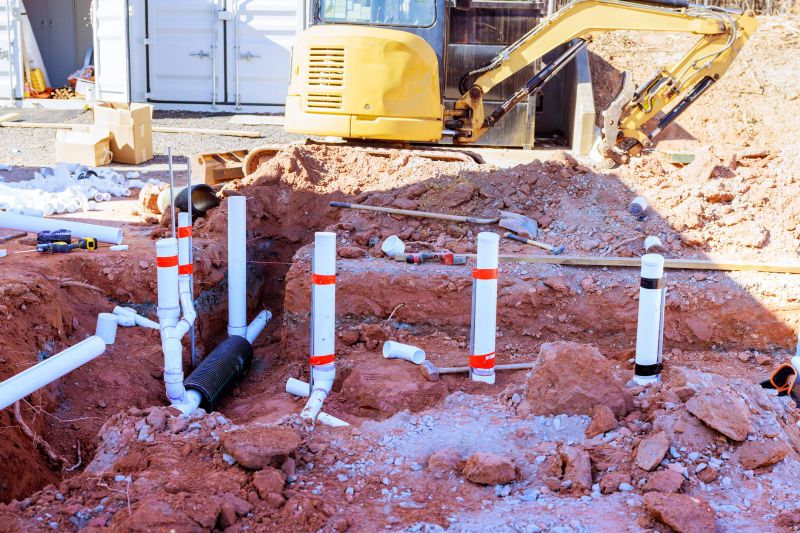



This scope builder helps compare commercial plumbing contractors by defining work, verifying experience, and setting clear expectations without prices.
- Scope Definition - Clearly outline the specific plumbing services required for the commercial project.
- Experience Verification - Confirm that the service providers have relevant experience with similar commercial plumbing jobs.
- Service Capabilities - Ensure contractors can handle the scope of work, including installation, repair, or maintenance needs.
- Written Agreements - Obtain detailed written descriptions of the work, including materials, methods, and responsibilities.
- Comparison Criteria - Establish consistent criteria to compare the expertise, scope coverage, and professionalism of different local contractors.
When evaluating contractors for commercial plumbing services, it is essential to consider their experience with similar projects. A contractor with a proven track record handling commercial plumbing installations, repairs, or upgrades comparable in scope and complexity can provide insight into their familiarity with the specific demands of the job. Asking about past projects that mirror the current needs can help determine whether a service provider has relevant expertise, reducing uncertainties and increasing confidence in their ability to deliver quality work.
A clear, written scope of work is a critical component when comparing contractors. This document should outline the specific tasks, materials, and responsibilities involved in the project, establishing a shared understanding of what is included and what is not. A detailed scope helps prevent misunderstandings and provides a basis for evaluating whether a contractor’s proposal aligns with the project’s requirements. When reviewing proposals, ensure that the scope is comprehensive and articulated in plain language, setting clear expectations from the outset.
Verification basics involve confirming that contractors can substantiate their experience and capabilities through references or project portfolios. Request examples of completed projects similar in size and scope, and consider reaching out to previous clients to inquire about their satisfaction and the contractor’s professionalism. Additionally, verify that contractors have appropriate insurance coverage and adhere to industry standards for safety and quality, which can serve as indicators of their reliability and commitment to proper project execution.
Evaluating options without focusing on prices involves assessing the quality of proposals, the clarity of scope, and the experience of each service provider. Compare how thoroughly each contractor has outlined their approach, whether their experience aligns with project needs, and how well they communicate their understanding of the work. It is also helpful to consider how each contractor plans to manage potential challenges and whether their proposed methods demonstrate a practical understanding of commercial plumbing requirements. This approach ensures a well-informed decision based on expertise, clarity, and reliability rather than cost alone.
Ask contractors to provide written scope details to ensure clear understanding and consistent project expectations.
- Scope of Work - What specific plumbing tasks and responsibilities are included in each contractor’s proposed scope?
- Experience and Expertise - How much experience do local contractors have with commercial plumbing projects similar to the scope?
- Work Approach - What methods or processes do service providers use to ensure quality and reliability in their work?
- Project Expectations - How do local contractors document and clarify project details, deliverables, and responsibilities in writing?
- Comparison Criteria - What key factors should be used to compare and evaluate different commercial plumbing service providers?
How can I compare commercial plumbing contractors effectively? It's important to review their experience, verify references, and ensure clear communication about the scope of work to make an informed comparison.
What should I consider when defining the scope of a plumbing project? Clearly outline the specific tasks, materials needed, and expected outcomes to help contractors provide accurate proposals and ensure everyone is aligned.
How can I verify the experience of a commercial plumbing service provider? Ask for details about their past projects, request references, and confirm their familiarity with similar types of commercial plumbing work.
Why is it important to get written agreements with contractors? Having a detailed written scope and expectations helps prevent misunderstandings and provides a clear record of what is to be completed.
What questions should I ask a commercial plumbing contractor before hiring? Inquire about their experience with similar projects, the approach they recommend, and how they handle unexpected issues during work.
How do I ensure the contractor understands my project requirements? Communicate your needs clearly, ask for their input, and request a detailed proposal that outlines the work scope and expectations.
This page has provided an overview of how to find and evaluate contractors for commercial plumbing services. Visitors learned the importance of clearly defining the scope of work, verifying the experience of potential service providers, and setting expectations in writing to ensure a smooth process. Comparing multiple local contractors can help identify options that best meet specific project needs and preferences.
To move forward, consider using the quote form to explore and compare local service providers who can handle commercial plumbing projects. This step can help identify qualified contractors in the area, making it easier to find the right fit for your requirements. Taking the time to review and assess options through the form can support making an informed decision.